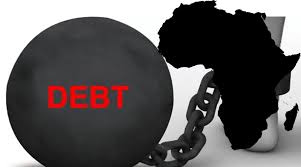
As many African countries are struggling to service their debts, a new World Bank report warns that interest payments on long-term debt in sub-Saharan Africa surged nearly seven-fold to $26 billion between 2010 and 2023.
The sharp increase came as the region’s foreign borrowing doubled to $864 billion within the same period. Africa’s worsening debt crisis has left some countries spending more on debt repayments than on essential sectors such as education and health care. Countries like Mozambique and Senegal grappled with particularly severe debt pressure. While China remains one of the continent’s major creditors and is often criticized for its unethical lending practices, the report highlights that African countries has also borrowed heavily from multilateral financiers such as the World Bank and International Monetary Fund (IMF)
Africa’s escalating debt crisis underscores the need for sustainable borrowing practices to balance development goals with manageable repayment obligations. According to Oyebanke Abejirin from the UN Economic Commission for Africa, the continent’s rising debt burden is eroding funding for sustainable development in the Least Developed Countries (LDCs), impacting heavily on health and education. Speaking recently at a venue in Addis Ababa, Abejirin explained that high debt servicing costs reduce the capacity for SDG-related spending causing a real decline in health and education funding across many countries. She warned that with debt servicing having reached a record 11.6% of the exports in 2022, debt distress worsens the public financial positions of African LDCs.