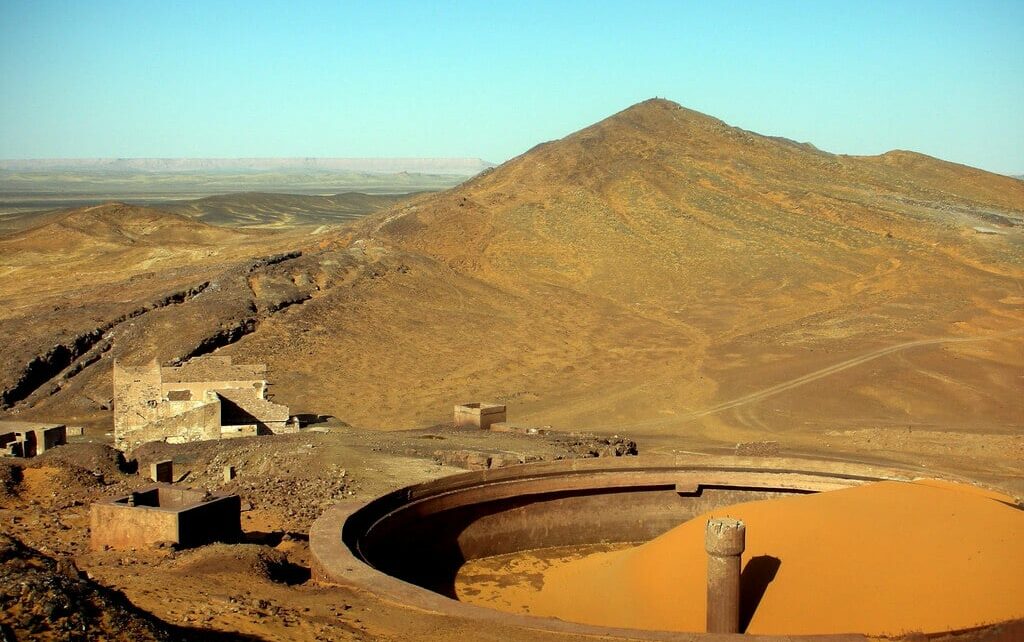
Morocco has 165 closed mines among 259 recorded sites, according to latest official data cited in an analysis by Médias24, which argues that closure does not always mean exhausted resources: new processes could make previously neglected metals exploitable, and Morocco must create the conditions to attract investors, since major producers already believe in the approach.
A lasting rise in metal prices can make ore once too poor to extract profitable again, and a former operator may have left aside an associated substance because its price was too low, the author of the analysis writes. What these sites still contain, and at what grades, remains unknown. Yet, public investments need to be gathered and mining archives opened, to fund new analyses at the most promising sites.
Closed sites also hold about 108 million tons of processing residues and 221 million tons of waste rock, whose reprocessing can now be technically viable and economically competitive, the media outlines, recalling that in September 2026 the ministerial department in charge of mines launched a pilot operation at Jerada and Zaida.
Artificial intelligence could speed exploration of deep deposits and optimize ore processing. Polish group KGHM, recently interested in Moroccan copper, is using start-up Endolith’s microorganisms to extend the life of its Carlota mine in Arizona, where output has fallen to about a third of its peak, according to Bloomberg. Rio Tinto’s Nuton process produced a first copper cathode at Johnson Camp, Arizona, in December 2025, and the mine reached commercial production in September 2026.
Morocco should give such innovations a testing ground, with reforms easing access to samples and authorizing on-site pilots under monitoring of water and treatment, the media argues, noting that UM6P is already working on producing sulphur from mining residues and extracting rare earths from phosphogypsum.