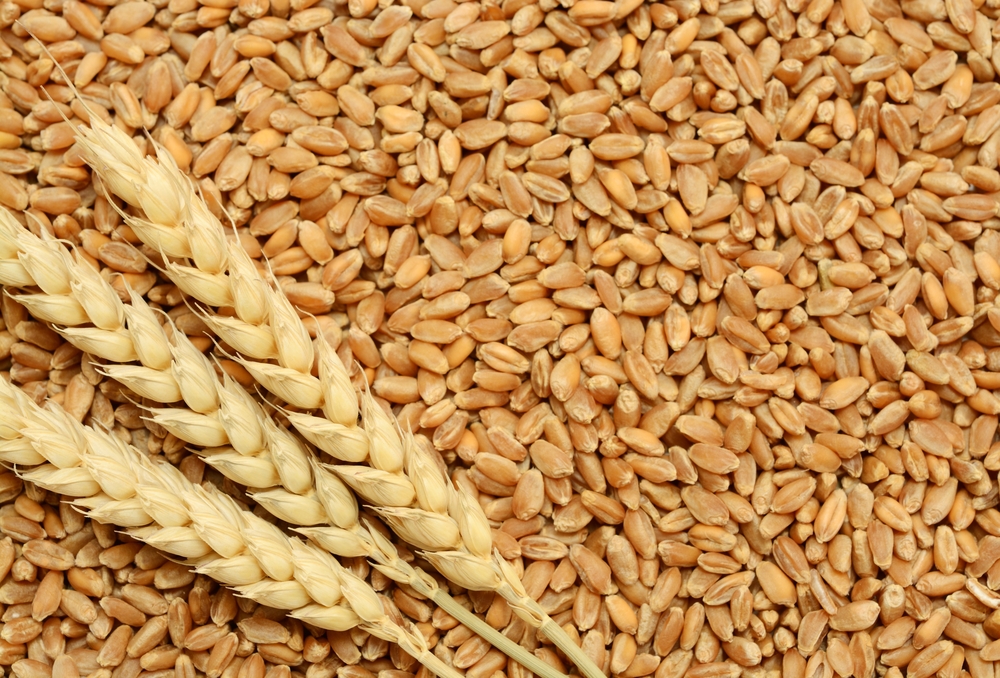
Wheat imports will resume in Morocco in the coming days after a joint decision by the Ministry of Economy and Finance and the Ministry of Agriculture introduced a rebate system for millers importing soft wheat between September 16 and December 31, 2026, according to a circular from the National interprofessional Cereals and Legumes Office, ONICL, relayed by Aujourd’hui le Maroc. The flat-rate rebate applies to soft milling wheat imported by storage bodies, including grain merchants and Moroccan agricultural cooperatives, as well as industrial mills, for quantities imported in the announced window as attested by bills of lading.
The rebate amount is calculated monthly based on wheat types and criteria set by the circular, using the average landed cost of the two lowest-cost origins among Germany, Argentina, France and the United States, provided the gap between them does not exceed 30 dirhams per quintal; where the gap is wider, the calculation instead uses the lowest origin’s monthly cost plus 15 dirhams per quintal. The rebate corresponds to the difference between the average monthly landed cost and a reference price of 270 dirhams per quintal, with a commission based at the Finance Ministry meeting by the third working day after each month’s end to set the following month’s rate.
Payment to eligible operators will be made in two instalments based on quantities actually delivered to industrial soft-wheat mills: a first tranche covering 80 percent of the rebate upon presentation of a complete file to ONICL by May 31, 2027, and a second instalment of 20 percent, tied to quantities delivered, upon presentation of an additional file by December 31, 2027.
The measure follows a government council decision in late July adopting a decree extending and suspending import duties on soft wheat and its derivatives, part of summer measures meant to support farmers through the cereal harvest. A separate, previously amended ONICL circular had already extended the eligible collection period for domestic soft wheat through the end of August rather than its original late-July cutoff, with purchases benefiting from a storage premium paid by fortnight.
Agriculture Minister Ahmed El Bouari said cereal production for the 2025-2026 season should reach close to 90 million quintals, helped by substantial rainfall across farming regions that brought the area sown to cereals to about 3.9 million hectares, a figure he shared in April at a high-level conference during the 18th edition of Morocco’s international agricultural fair, SIAM.