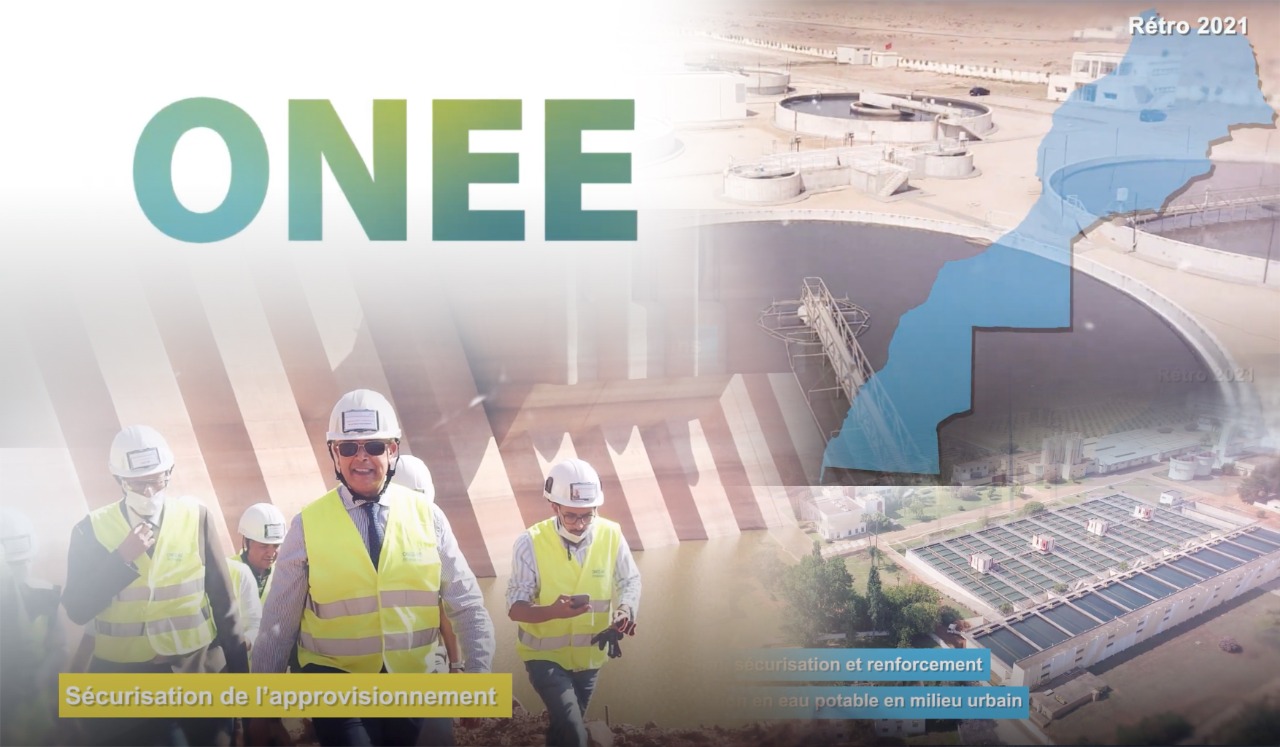
Morocco’s National Office for Electricity and Drinking Water (ONEE) has launched a major infrastructure program to reinforce and secure the drinking water supply of Khouribga and the surrounding area. The total investment across all project components amounts to 365 million dirhams. The launch ceremony was presided over by ONEE Director General Tariq Hamane and Khouribga Governor Hicham Medarhri Alaoui.
The first phase of the program, valued at 95 million dirhams, involves the installation of 14 kilometers of pipelines manufactured from ductile iron and coated steel, with diameters of 1,000 millimeters and 900 millimeters, reinforcing the Central Morocco water conveyance system fed by the Ait Massoud dam. This phase is financed through loans from Germany’s KFW development bank and the European Investment Bank, and is scheduled to enter service in December 2026. Its specific objective is to secure long-term water transport capacity for Khouribga and its neighboring communities.
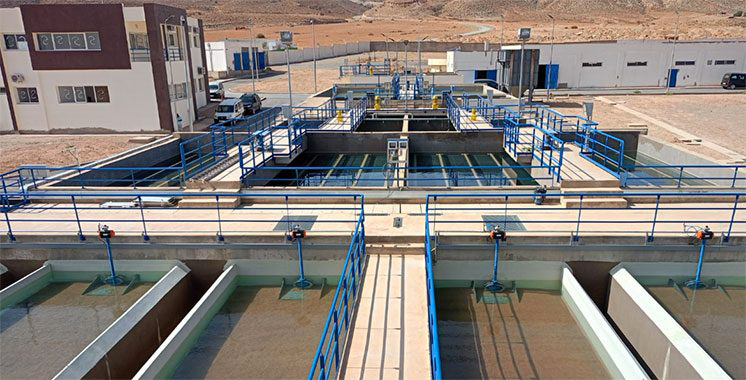
A second tranche of investments, totaling 270 million dirhams, covers three additional components: an extension of the demineralization plant at the Ait Massoud treatment facility adding 330 liters per second of treatment capacity; the construction of two new storage reservoirs each with a capacity of 25,000 cubic meters; and a third pipeline reinforcement phase covering 10 kilometers of conduits with a 1,000-millimetre diameter.
ONEE described the overall program as a direct response to the growing demand for drinking water across Khouribga province and its surrounding municipalities, driven by demographic growth and the expansion of industrial and agricultural activity in the phosphate-rich region. The investments are expected to meaningfully reduce supply vulnerability, improve the reliability of service delivery and provide a more robust buffer against seasonal demand peaks.
The Khouribga project reflects ONEE’s broader mandate to lead structural infrastructure programs that support the economic and sustainable development of Morocco’s regions, and is consistent with the national water security investment agenda that the government has prioritized given the accelerating impact of climate change on Morocco’s water resources.