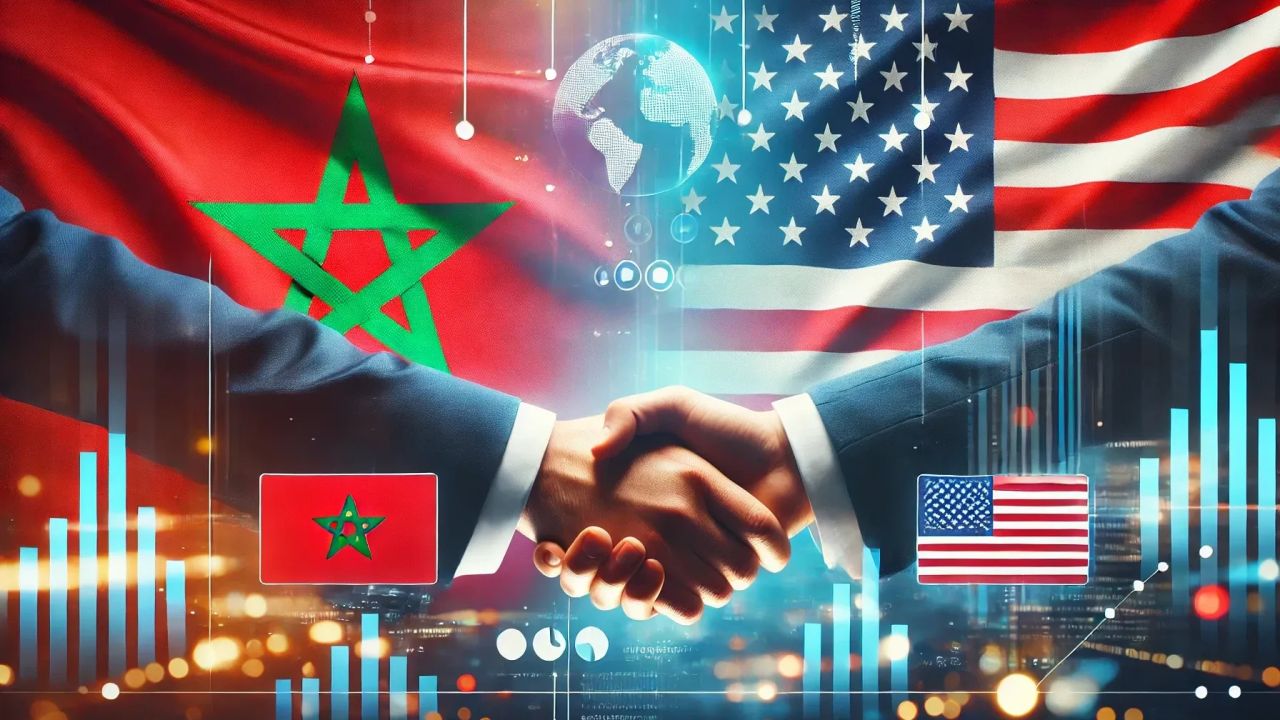
Morocco’s early recognition of the United States in 1777 laid the groundwork for one of the longest-standing diplomatic relationships in US history, a legacy now reinforced by deepening defense and strategic ties, according to a feature published by The Washington Diplomat.
Morocco became the first country to formally acknowledge the fledgling United States during the Revolutionary War when Sultan Mohammed III opened Moroccan ports to American ships, signaling confidence in the new nation before its independence was secured.
The bilateral relationship was formalized with the 1786 Treaty of Peace and Friendship, signed by Thomas Jefferson and John Adams, which remains the longest unbroken treaty in US history and the first with an Arab, Muslim, or African state, the publication said.
Ties strengthened over subsequent centuries, including Morocco’s strategic role during World War II, notably hosting the 1943 Casablanca Conference. The United States, in turn, quickly recognized Morocco’s independence in 1956, establishing a pattern of sustained cooperation, it said.
Today, the partnership has expanded into modern security domains. A newly concluded 10‑year defense cooperation roadmap extends collaboration through 2036, covering cybersecurity, advanced technologies and military integration, according to the Washington Diplomat.
Morocco also hosts African Lion, U.S. Africa Command’s largest annual military exercise, and is set to house Africa’s first permanent U.S. drone training hub, underscoring its position as a key regional security partner, it said.
Moroccan Ambassador Youssef Amrani, marking the relationship’s 250-year legacy, described the alliance as rooted in “vision and trust” and sustained by a continued commitment to cooperation amid evolving global challenges, it said.