Independent United Nations human rights experts have raised concerns over what they describe as a “deliberate and systematic” crackdown by Algerian authorities targeting relatives of victims of enforced disappearances and rights activists.
In a statement, the experts- mandated by the UN Human Rights Council- said Algerian authorities had engaged in practices including secret detentions, arrests without warrants and restrictions on civil society groups, actions they said were aimed at silencing calls for truth and justice.
The experts highlighted the case of activist Rachid Ben Nakhla, who was detained in April 2026 under unclear circumstances. They called on authorities to immediately disclose his fate and whereabouts and to release him without delay.
They also cited the cases of Hamza Tellaa, Samia Bekouche and Slimane Hamitouche, who they said were arbitrarily detained, including incommunicado, before being released. Such actions, even if temporary, could constitute serious violations under international law, the experts said.
“When state agents refuse to acknowledge a person’s detention or deliberately conceal their fate or whereabouts, such acts amount to enforced disappearance, even if for a short period,” the statement said.
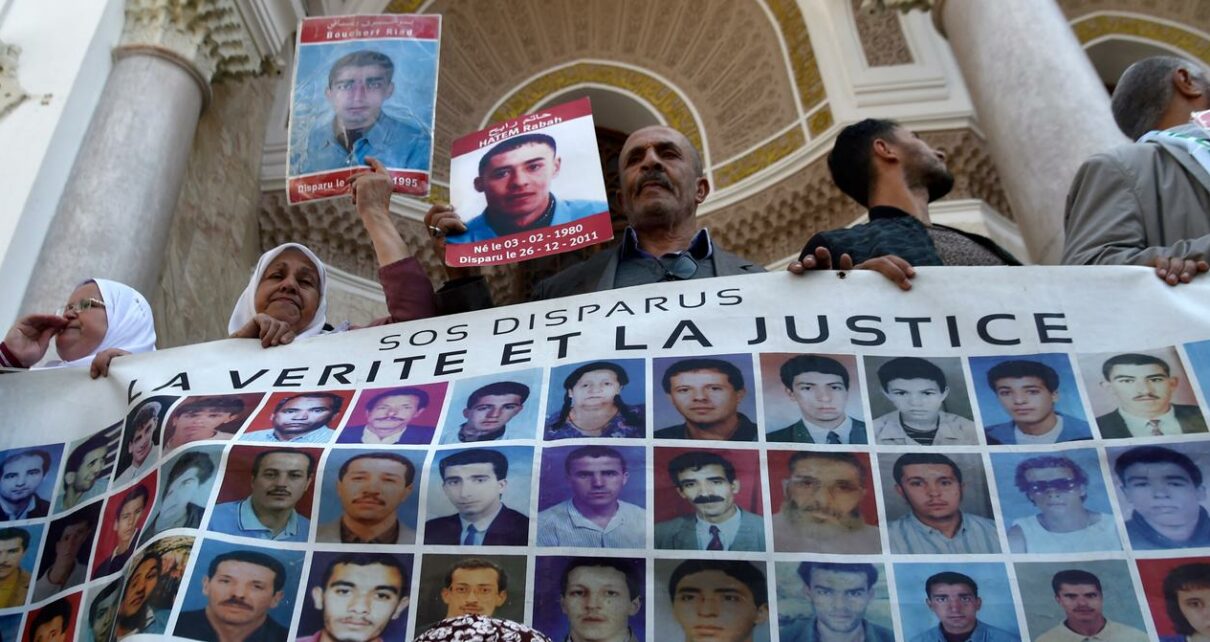
According to the experts, those targeted are relatives of victims of enforced disappearance and members of rights groups seeking to uncover the fate of missing persons, notably within the Collectif des familles de disparu·e·s en Algérie (CFDA) and its affiliate SOS Disparus.
The experts denounced what they described as harassment and intimidation of families engaged in the search for missing relatives, warning that such actions deepen their suffering and deter broader civil society efforts.
They also pointed to measures taken against organizations, including the closure and sealing of SOS Disparus offices in March 2026 on administrative grounds. The experts expressed concern that such restrictions hinder families’ ability to organize and advocate for accountability.
The U.N. experts reminded Algeria of its international obligations, stressing that the prohibition of enforced disappearances is absolute and requires authorities to investigate allegations and hold perpetrators accountable.
They urged Algeria to protect families of the disappeared and human rights defenders from reprisals, and to fully guarantee rights including due process, freedom of association and peaceful assembly.
International rights groups have long documented similar patterns. Amnesty International says Algerian authorities continue to restrict freedoms of expression, assembly and association, using arbitrary arrests, unfair trials and broad terrorism-related charges to target dissent, while also curbing the activities of unions, political groups and civil society organizations.
Human Rights Watch has also reported an ongoing crackdown on dissent, citing prosecutions of activists, journalists and lawyers for peaceful expression, tighter legislation and shrinking civic space, particularly since the Hirak protest movement.
The U.S. State Department similarly says Algeria’s human rights situation has deteriorated, highlighting reports of arbitrary detention, restrictions on media and expression, and the use of broadly defined security laws against critics, alongside concerns over disappearances and mistreatment.