Morocco was elected to the presidency of the International Olive Council (IOC) for the year 2026, during the Council’s 122nd session held in Córdoba, Spain.
This election reflects the central role of the olive-growing sector in Morocco, one of the eleven founding members of the IOC, which has played a historic and consistent role within this body alongside member states representing 94% of global olive production.
Established in 1959 in Madrid under the auspices of the United Nations, the International Olive Council is the only intergovernmental organization dedicated to olive oil and table olives.
The IOC’s 122nd session was marked by the adoption of the Cordoba Declaration, which sets out a shared vision for sustainable olive cultivation worldwide. The Declaration, adopted by ministers of agriculture and partner international organizations, embodies a collective commitment to promoting, modernizing, and strengthening the resilience of the olive sector.
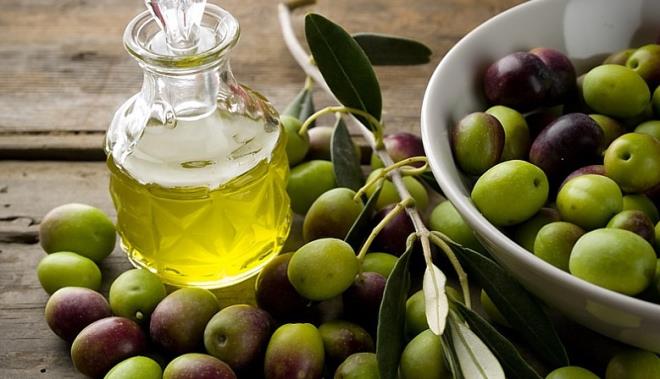
Through this text, the signatory countries reaffirm the strategic importance of the olive tree—an ancient species and universal symbol of peace, wisdom and civilization. They also highlight its crucial role in food security, human health, biodiversity conservation, the fight against desertification, and mitigation of climate change impacts.
Agriculture Minister Ahmed El Bouari who represented Morocco at the session said the Declaration reinforces efforts launched under the Green Morocco Plan and expanded through the Generation Green 2020–2030 strategy, focusing on quality, human capital and climate adaptation.
He also highlighted the sector’s centrality in Moroccan economy, noting that olive trees account for 65 percent of the country’s orchard area, more than 1.2 million hectares, and generate over 51 million workdays annually.
The industry covers nearly 19 percent of Morocco’s edible-oil needs and contributes around 2.1 billion dirhams to the trade balance.
During its 122nd session, the IOC emphasized its strategic role in supporting the sector, enhancing sustainability and ensuring product quality. Member states reviewed several priority initiatives, including the development of a carbon footprint tool for olive groves, promotion of the IOC in Brazil, updates to the statistical dashboard and improvements to quality standards and analytical methods.