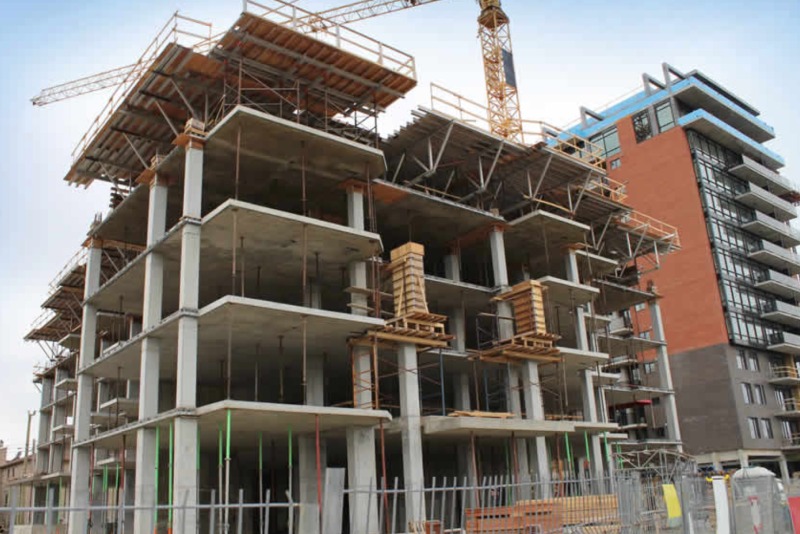
The Federation of Property Developers (FNPI) has called on Moroccan authorities to take a comprehensive approach to housing policy that reconciles household purchasing power, the economic viability of property projects and lasting tax revenue, Aujourd’hui le Maroc reported. In a legal and regulatory watch bulletin that coincides with the 2027 Finance Bill, the federation argued that housing should not be seen solely through the lens of taxation or public spending.
The FNPI described real estate as a structuring sector, a major source of jobs, a driver of investment and a tool for regional planning. It said housing policy must provide decent homes, preserve the economic balance of projects and safeguard state tax resources.
The federation welcomed the direct housing aid program. According to the Finance Bill’s presentation note, the scheme had received more than 314,000 applications by the end of September 2026, with 128,000 payments made. The FNPI said, however, that its effectiveness should be judged by its real impact on access to housing, its fit with beneficiaries’ finances and its handling of local specificities.
On tax, the FNPI noted a mechanism to refund VAT withheld at source when it exceeds what the supplier actually owes, calling it progress toward fiscal neutrality but asking for precise refund deadlines and simpler procedures. It also noted an optional VAT regime for dealers in built properties, mainly concerning resale of existing buildings rather than a reform of new-build taxation.
The profession also highlighted housing’s cost price, shaped by land, materials, labor, studies, equipment, utility connections, insurance, financing and administrative charges. It proposed a working group of administrations and professionals to build an objective cost grid by economic, mid-range and high-end category, saying the aim is to identify cost-cutting levers, not to guarantee margins.