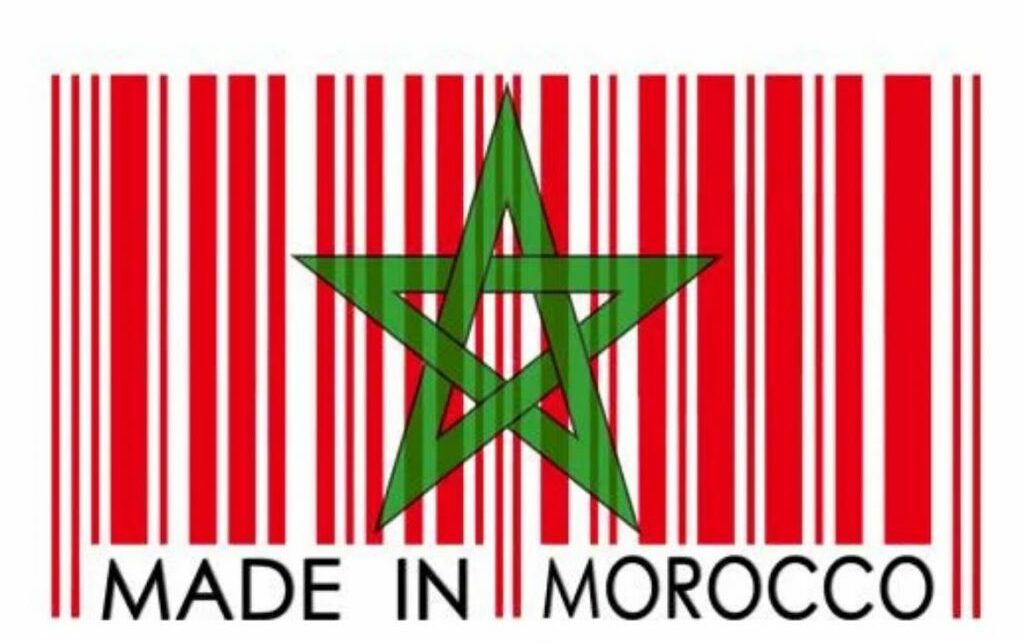
Nearly 80 industrial enterprises received the inaugural certificates of the “Made in Morocco” label — a certification launched at the third National Industry Day in November 2025 and now reaching its first full cohort of recognized companies.
The announcement was made by Industry and Trade Minister Ryad Mezzour at a ceremony held in Casablanca last week.
The award marks the operationalization of a sovereign industrial branding initiative that has been in development since the COVID-19 pandemic highlighted the risks of excessive import dependency.
Mezzour described the label as embodying a structuring national ambition carried by a resilient, innovative, and competitive industry. The certification, he argued, consecrates the efforts of companies committed to excellence and contributes to increasing confidence in Moroccan products at the international level. He linked the initiative directly to the government’s industrial policy priorities: deepening local value chain integration, supporting competitive import substitution, and consolidating Morocco’s export market share in the face of intensifying global competition.
Mounir El Bari, President of the Federation of Forest Industries, Graphic Arts and Packaging (FIFAGE) within the CGEM, described the first cohort as a very strong moment for the Moroccan business community and a concrete materialization of an initiative that had been championed since the pandemic. He framed the label as going beyond a simple origin certification to encompass a broader ambition: creating greater added value, supporting employment, and fostering the emergence of Moroccan brands capable of achieving international recognition.
The label is accessible to domestic producers on a voluntary basis and functions as a certification of Moroccan origin, product conformity with safety standards, and compliance with applicable regulatory requirements. Critically, it also guarantees complete mastery of the manufacturing process through a rigorous self-monitoring system providing full product traceability. Companies were selected following an evaluation process based on international best practices, encompassing conformity evidence analysis, on-site audits, and a continuous monitoring mechanism to ensure the label’s durability.
At a moment when global supply chains are being restructured and “made in” designations are regaining strategic significance for buyers, governments, and consumers alike, Morocco’s formalization of a national industrial label positions the country as a producer of traceable, quality-controlled goods — a designation that could carry increasing commercial weight in European, African, and Gulf markets over the coming years.