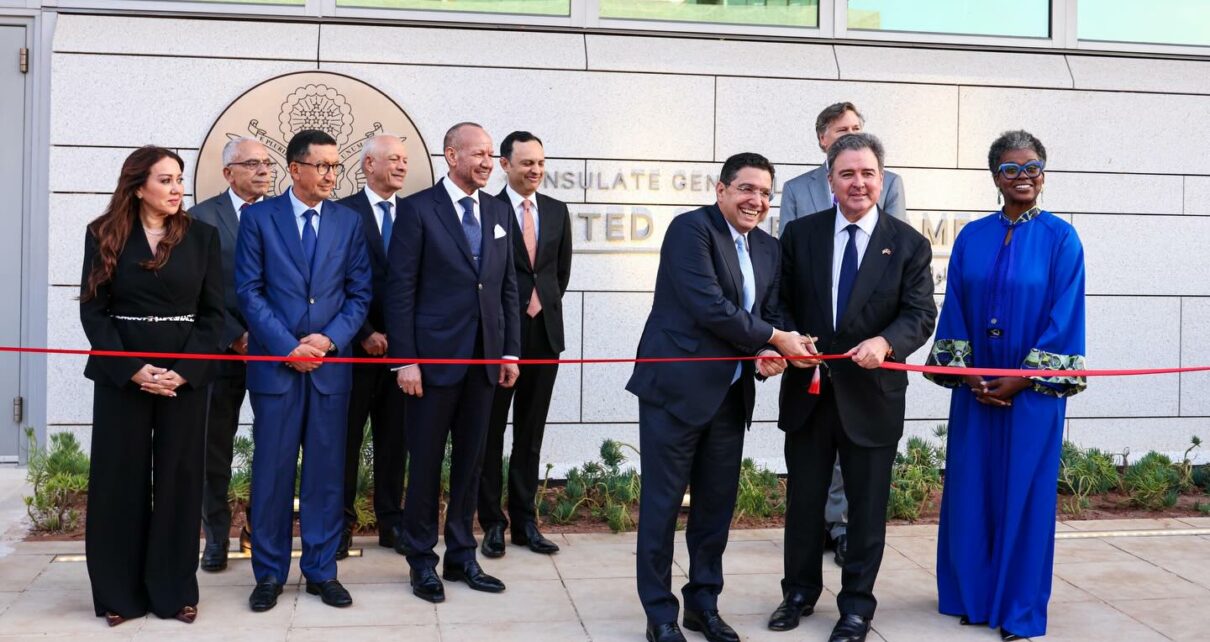
The United States formally inaugurated its new Consulate General in Casablanca on Thursday, at a ceremony held at Casablanca Finance City attended by senior Moroccan and American officials. The new complex, built at a cost of over $350 million on a site of nearly 2.7 hectares, is approximately ten times the size of its predecessor and is described by its architects as a space that blends American design with Moroccan architectural tradition, including a curated collection of artworks reflecting the cultural exchanges between the two nations.
The ceremony was presided over on the Moroccan side by Royal Counsellor Fouad Ali El Himma and Foreign Minister Nasser Bourita, alongside senior civilian and military officials. The American delegation was led by Deputy Secretary of State Christopher Landau, Ambassador Duke Buchan III, and Consul General Marissa Scott. The occasion marked a significant diplomatic moment in the week of visits that Landau had conducted across Morocco.
Landau described the new consulate as a magnificent representation of the friendship between the two countries, and pointed to Morocco’s ongoing economic transformation and its growing attractiveness to international investors as the context within which the United States had made this substantial infrastructure investment. Ambassador Buchan reinforced the symbolism: he described Morocco as the United States’ oldest, most solid, and most reliable ally in the region, and reiterated American support for Moroccan sovereignty over the Sahara, characterizing the autonomy plan as the only solution capable of producing a durable settlement.
Consul General Scott contextualized the inauguration within the celebrations marking the 250th anniversary of bilateral diplomatic relations — a relationship that dates to Morocco’s recognition of American independence in 1777, making it the oldest diplomatic relationship in U.S. history. The expansion of consular capacity, she noted, will substantially increase the number of visa applicants and service users the mission can accommodate, with direct practical consequences for the large population of Moroccans seeking U.S. visas for study, business, and family reunification.
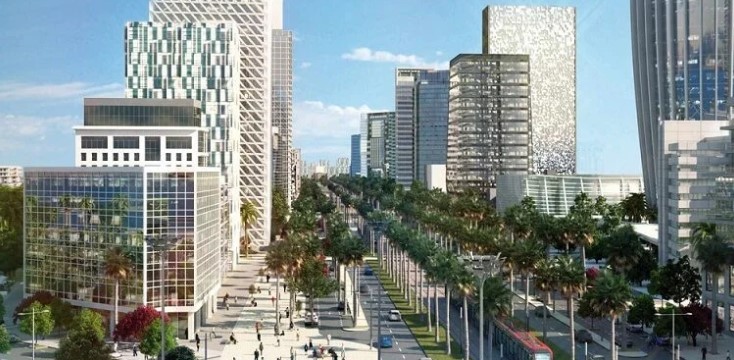
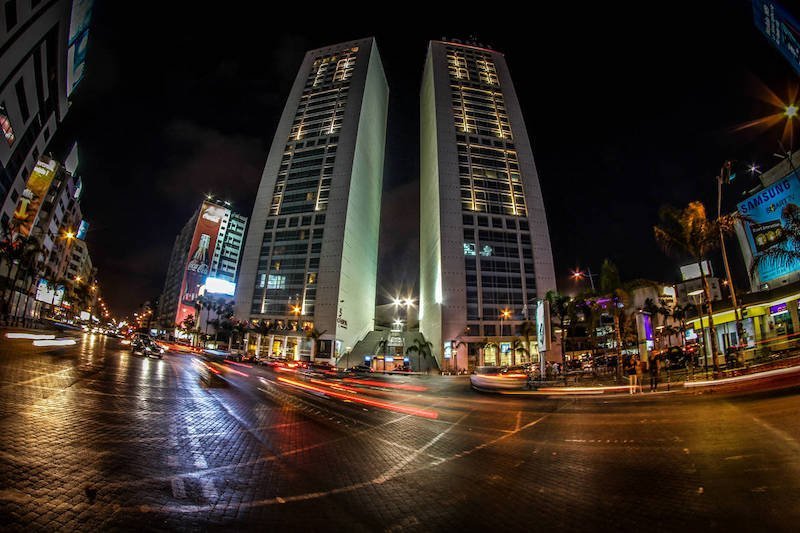
The choice of Casablanca Finance City as the location for the new consulate is itself a statement: the CFC complex is Morocco’s premier international financial hub, home to the regional headquarters of major global banks, investment funds, and multinational corporations. A U.S. consulate embedded within this ecosystem sends an unambiguous message about where Washington sees the center of gravity of its economic relationship with Morocco, and about the role it anticipates Casablanca playing in the broader Atlantic and African investment landscape in the years ahead.