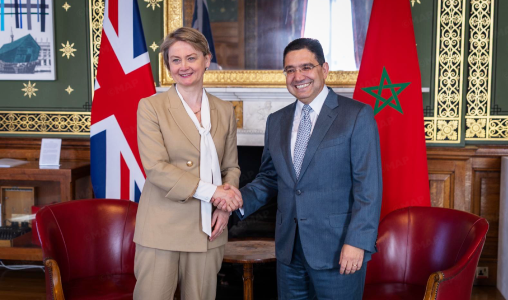
The United Kingdom reaffirmed its support for Morocco’s autonomy plan for the Western Sahara on Thursday, with Foreign Secretary Yvette Cooper describing it as ‘the most credible, viable, and pragmatic basis for peace’ in the territory following a meeting with Moroccan Foreign Minister Nasser Bourita in London. The statement consolidates a position that the UK first articulated formally at the Morocco-UK Strategic Dialogue held in Rabat in June 2025, and marks another significant expression of backing from a permanent member of the UN Security Council.
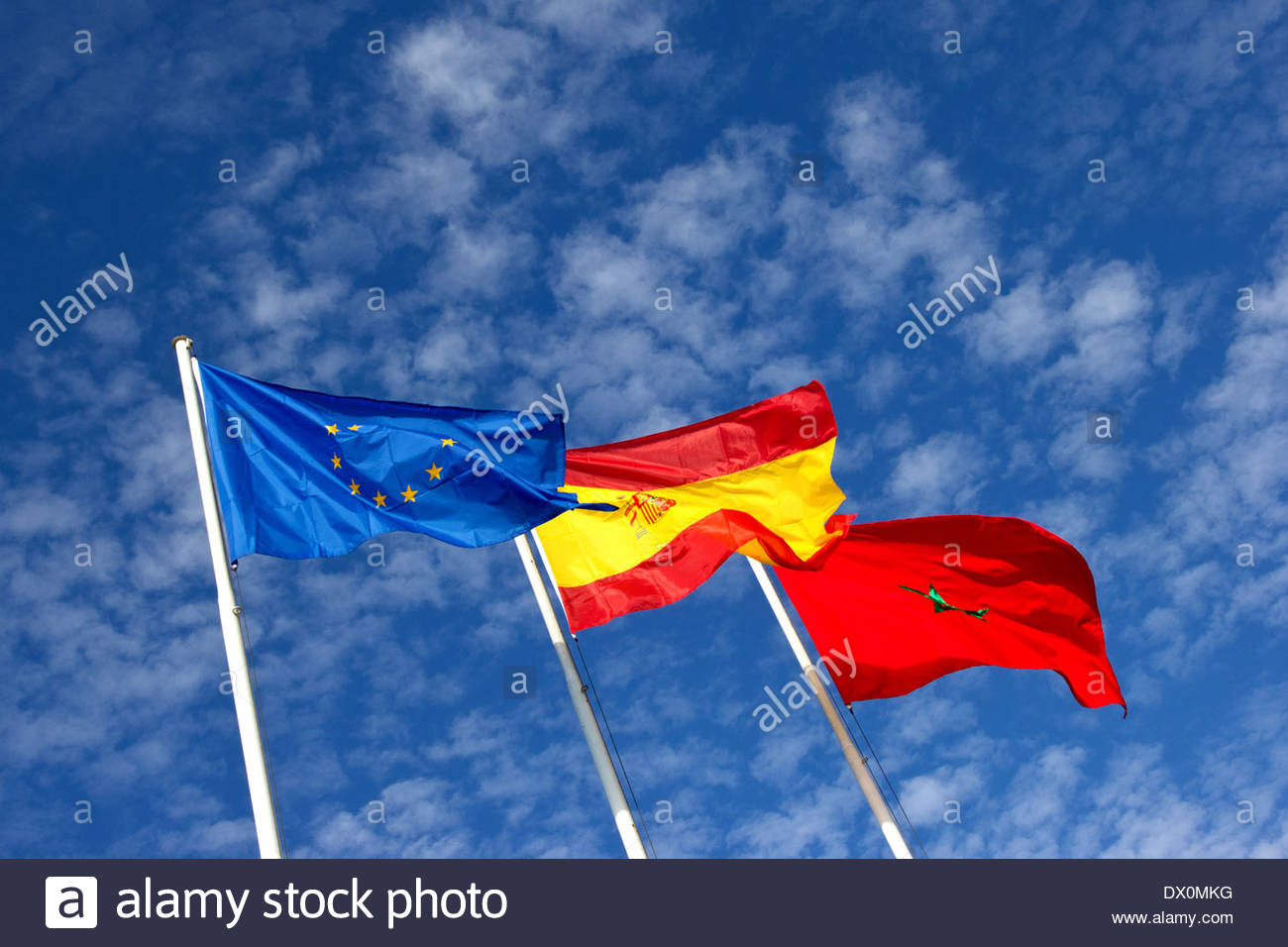
The meeting was part of Bourita’s working visit to the British capital, during which the two ministers reviewed the full breadth of bilateral relations. Cooper also welcomed what she described as the excellence of the partnership between the two countries, singling out the 2030 FIFA World Cup as a particularly promising area of joint opportunity. Morocco will co-host the tournament with Spain and Portugal, and the UK has been identified as a key partner on security, broadcasting, and fan infrastructure.
The British endorsement arrives in the context of an accelerating diplomatic shift on the Western Sahara question. Just the previous day, Honduras became the sixth country in approximately two years to suspend or withdraw recognition of the Polisario-administered self-proclaimed Sahrawi Arab Democratic Republic. Ecuador, Panama, Bolivia, and Mali had taken similar steps in preceding months, each citing sovereign foreign policy reviews aligned with the principles of non-interference and respect for UN-led processes.
The autonomy plan, submitted by Morocco to the UN in 2007, proposes broad self-governance for the southern provinces under Moroccan sovereignty. It has received expressions of support from more than 110 UN member states, and is backed by the United States, France, Spain, Germany, and — now clearly — the United Kingdom. UN Security Council Resolution 2797, adopted in October 2025, reaffirmed the importance of a realistic and durable political settlement through the UN-led process.
The UK’s confirmation of this position is symbolically and diplomatically significant. As a permanent Security Council member, Britain’s explicit characterization of the autonomy plan as the most credible and pragmatic framework carries weight in multilateral forums. Morocco’s foreign ministry described the outcome of the Bourita-Cooper meeting in positive terms, noting that the UK committed to continuing its action at bilateral, regional, and international levels in support of a resolution to the dispute.