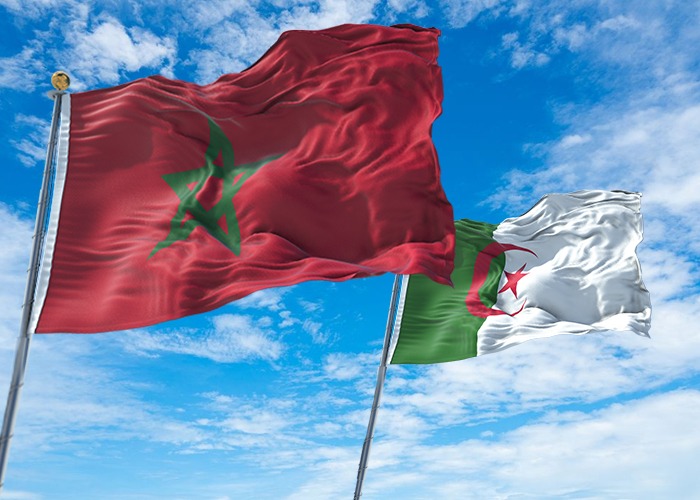
The Sahara dispute is increasingly viewed as a direct confrontation between Morocco and Algeria, with the Polisario Front serving as an Algerian proxy, according to a new assessment by the Russian International Affairs Council (RIAC), an influential Moscow‑based foreign‑policy think tank.
The roughly 100‑page RIAC report on Middle Eastern and North African conflicts says Morocco’s position regarding its territorial integrity and the Sahara conflict has steadily strengthened in recent years, both diplomatically and politically, while Algeria’s proxies, the Polisario, has significantly weakened.
The think tank notes that since the Polisario broke the 1991 ceasefire in November 2020, armed clashes were of “sporadic low‑intensity” nature, with the separatist militias unable to inflict significant losses on Moroccan forces.
RIAC highlights the consistency of Morocco’s diplomatic doctrine, rooted in the view that the Sahara is an integral part of the kingdom based on history, tradition and law. Rabat has reinforced this position, the report says, by fully integrating the southern provinces into its administrative system and investing heavily in development projects.
The think tank places strong emphasis on Algeria’s role, describing the Polisario as entirely dependent on Algiers for political and economic survival. The conflict is “increasingly perceived not as a Morocco-Polisario dispute but as a Moroccan‑Algerian one,” RIAC writes, adding that the Polisario primarily runs the Tindouf camps through a clientelist system reliant on international aid and Algerian support.
According to the report, Morocco has seen growing international backing, reflected in the shrinking number of states recognizing the self‑proclaimed Polisario entity (SADR) and the opening of foreign consulates in the Sahara. RIAC notes recognition of the SADR has dropped from around 80 countries to less than half that figure, mostly by failed and authoritarian regimes.
The Moroccan autonomy plan presented in 2007 remains the main basis for international discussions, the think tank says, outlining broad self‑governance under Moroccan sovereignty.
RIAC also cites the United States’ recognition of Moroccan sovereignty during the Donald Trump administration as a major diplomatic turning point that encouraged other Western partners to align more closely with Rabat.
It highlights renewed Franco‑Moroccan ties in 2024–2025, including a letter from President Emmanuel Macron affirming France sees the future of Western Sahara within Morocco’s sovereignty.