After transforming itself into a major automotive and aerospace manufacturing hub, Morocco is now adding defense to its list of strategic industries with the aim of reducing imports, bolstering sovereignty and promoting exports amid increasing global demand.
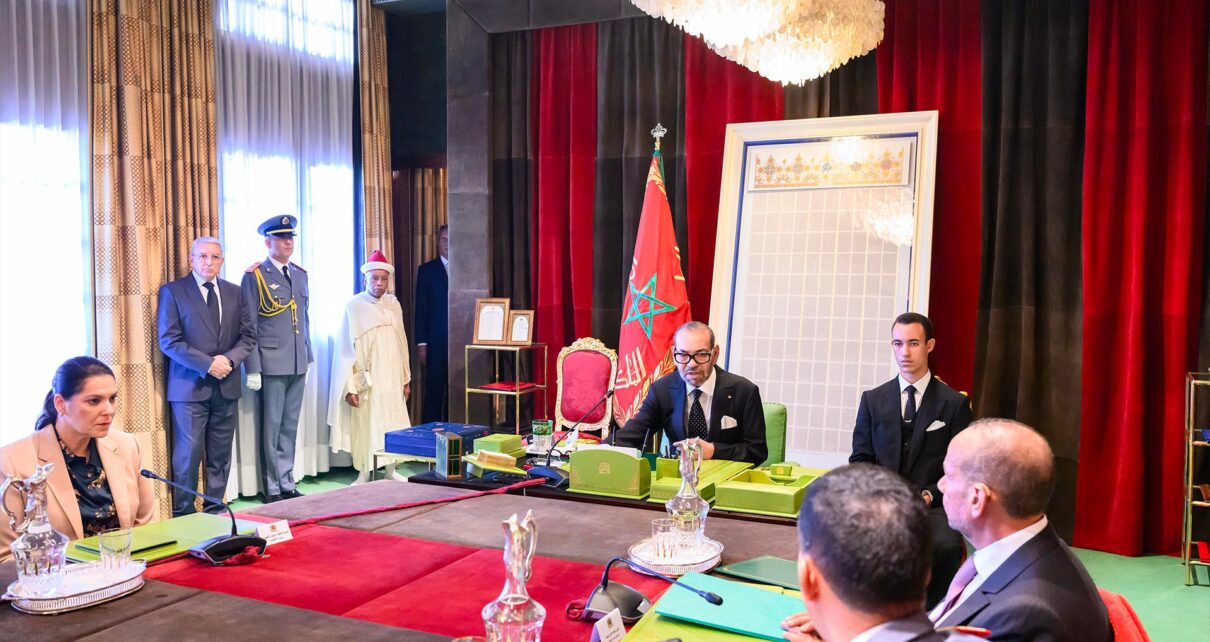
In this respect, on Nov 18, King Mohammed VI launched the “Offre Maroc” roadmap for the development of a national defense and security industry to build a complete industrial and technological base capable of designing, producing, maintaining and exporting defense equipment.
By 2035, the roadmap will lead to the creation of nearly 50,000 jobs in the defense industry that is expected to cover 40% of the needs of the Royal Armed Forces (FAR) and security services, the Royal Office said in a statement following the meeting chaired by the King and attended by Crown Prince Moulay El Hassan, cabinet members and senior military officials.
The defense industry should also generate more than 65% of its revenues from exports, according to the statement.
Just as the kingdom attracted global carmakers and aircraft manufacturers and then developed local supply chains that now export heavily, it intends to do the same in the defense sector.
The initiative builds on foundations laid since 2020, when a law opened the defense sector to industrial investment.
In 2024, two industrial acceleration zones were created and tax incentives introduced.
The new roadmap now seeks to move from a legal and regulatory framework to a full ecosystem covering research, design, production, integration, maintenance, testing and storage, according to Moroccan officials.
Six priority areas have been identified: drones and autonomous systems, land systems, naval systems, defense electronics, cyberdefense and artificial intelligence, the royal palace said.
Key measures include the creation of a strategic agency to steer the sector and support investors, an industrial holding company to structure ecosystems and foster national champions, and a specialized academy to train the required workforce by drawing on civilian, military and diaspora skills.
The Hassan II Fund for Economic and Social Development will contribute 4 billion dirhams to launch the strategy.
Additional financing is expected from private national and international investors.
Two existing defense industrial zones in Nouaceur and Sidi Yahya are already operational. Two new large-scale zones are planned in Benguerir and Benslimane, near military air bases, to support aircraft maintenance and related activities, according to the statement.
Morocco is home to production plants that already supply the Royal Armed Forces. These include a joint venture with Tata Advanced Systems producing Whap 8×8 armored vehicles, drone production plants involving Turkish partners, and joint ventures with Israeli firms.
Morocco also hosts aircraft maintenance capabilities for C-130 and F-16 aircraft.


